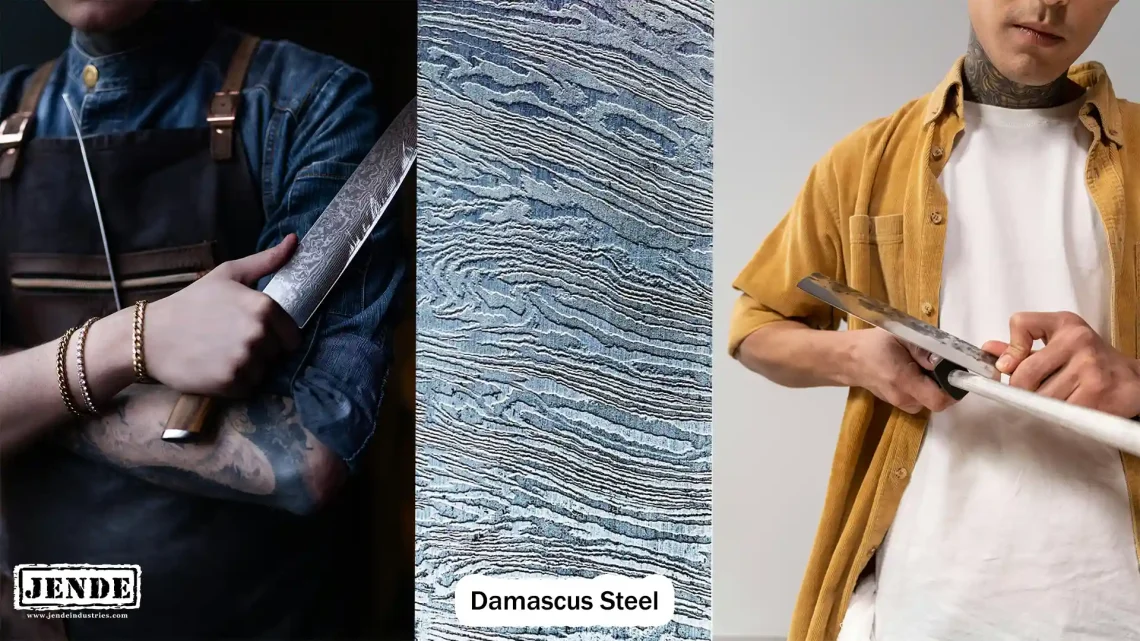
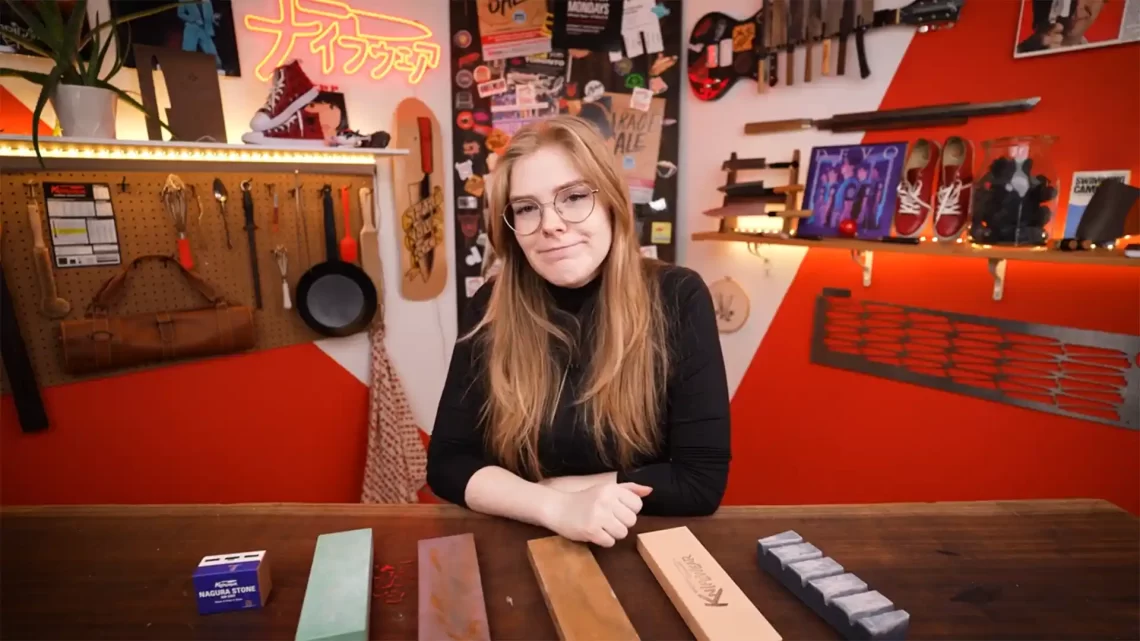
When it comes to sharpening a knife, not all parts are created equal. The process requires finesse, precision, and a keen understanding of the intricacies of different knife designs. Certain parts pose unique challenges, demanding a higher level of skill and attention. In this guide, we’ll explore the nuances of sharpening various knife components and offer practical tips to overcome these challenges.
- Tip of the Blade
The tip of a knife, particularly on blades with a curved or pointed design, demands extra care during sharpening. Achieving a consistent edge on the tip requires practice and attention to detail. Maintaining the proper angle throughout the sharpening process is crucial for preserving the sharpness and integrity of the blade. - Serrated Edges
Serrated knives present a distinct challenge due to their toothed edges. Each tooth must be individually sharpened to achieve a uniform edge. This process requires patience and precision, as neglecting any tooth can result in an uneven and less effective cutting surface. Specialized sharpening tools designed for serrated edges can streamline this intricate process. - Bolster Area
The bolster, the thick section where the blade meets the handle, can be a tricky area to sharpen effectively. This is especially true for knives with a full bolster or an integrated design. Accessing this region may require specific sharpening techniques or tools designed to address the unique geometry of the bolster, ensuring a consistent sharpness along the entire length of the blade. - Curved Blades
Knives with curved blades, such as boning knives or certain chef’s knives, introduce another layer of complexity. Maintaining a uniform edge along the entire curved surface demands skill and precision. Practicing the motion required to follow the curvature of the blade is essential to achieve an even and sharp edge. - Wide Blades
Wide blades, found on cleavers or certain chef’s knives, present a challenge in terms of achieving a uniform edge across the entire width of the blade. Balancing the pressure and maintaining a consistent angle on a broad surface requires practice and attention. Specialized sharpening tools designed for wide blades can facilitate this process. - Complex Grinds
Some knives feature complex grind profiles, incorporating multiple bevels or angles. Sharpening such knives demands a deep understanding of their unique design. Proper technique, coupled with the right sharpening tools, is essential to preserve the integrity of these intricate blade profiles. - Uneven Wear
If a knife exhibits uneven wear or damage, certain areas may require more attention during the sharpening process. Addressing these variations in wear requires a discerning eye and the ability to adapt your sharpening technique to the specific needs of the blade. Gradually work on the problem areas while maintaining a focus on achieving an overall consistent edge. - Small Blades
Knives with small blades, like paring knives or delicate utility knives, present a challenge in terms of grip and maneuverability during sharpening. Patience and a steady hand are key when working on these smaller blades. Using compact sharpening tools or specialized systems designed for precision can aid in overcoming these challenges.
Overcoming the Challenges
To navigate these challenges successfully, a combination of practice, the right tools, and a focus on technique is essential:
- Practice
Sharpening is a skill that improves with dedicated practice. Regularly sharpening different types of knives will enhance your ability to tackle the unique challenges posed by various blade designs. - Use the Right Tools
Invest in a diverse set of sharpening tools tailored to the specific challenges of different knife parts. A sharpening rod might be more effective for curved blades, while a guided sharpening system can assist in maintaining a consistent angle on the tip. - Focus on Technique
Proper technique is the cornerstone of effective knife sharpening. Pay close attention to the angle, pressure, and motion applied during the process. Adjust your approach based on the specific challenges presented by the knife at hand.
In conclusion, mastering the art of knife sharpening involves recognizing and addressing the unique challenges posed by different parts of a knife. With dedication, the right tools, and a commitment to honing your technique, you can elevate your sharpening skills to an industrial level, ensuring that every part of a knife is sharpened with precision and care.