Congratulations on your purchase of sharpening stones! These are tools you’ll have to hold on to for a while to keep blunt objects sharp – they can be great, though at the same time costly. It’s therefore important to store and look after it properly for you to get the best out of it. Here’s a simple guide.
Types of Sharpening Stones
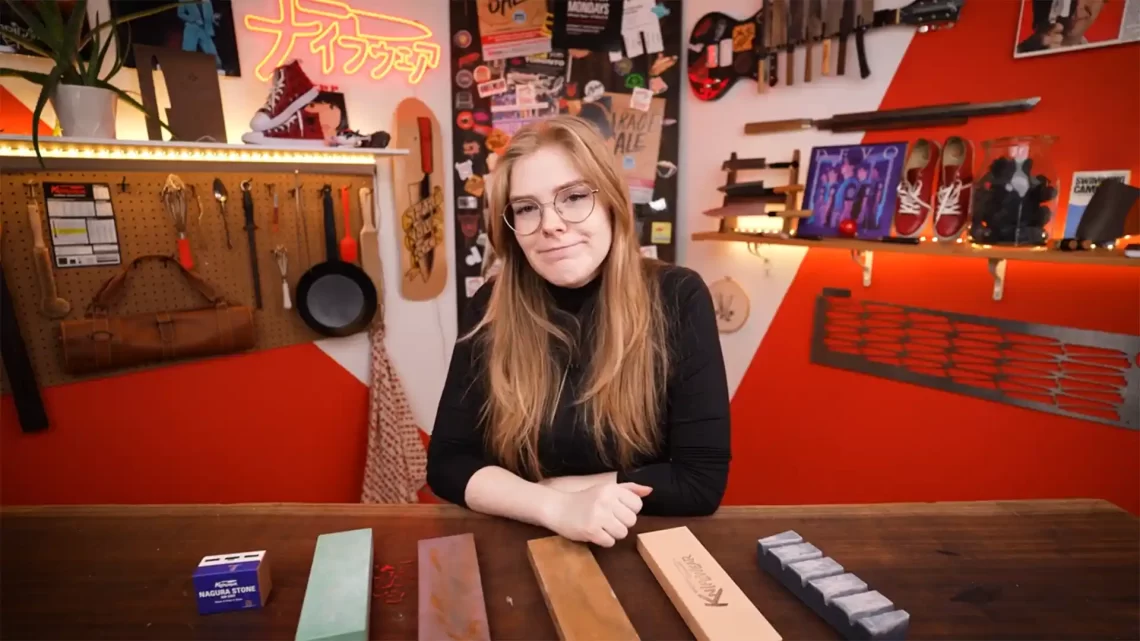
There exist two main types of sharpening stones.
Soaking stones: These stones should be soaked in water prior to use. In fact, they will like to be wet and won’t be damaged by it even if they are left a long time.
Stones that don’t soak: Don’t keep them in water. They crumble and get messy if they are left soaking for a long time.
You can tell the difference by putting a little water on it. It the water soaks it, it is a soaking stone; and when it sits on the top, it is a non-soaking stone. Non-soaking stones should be kept dry.
Preparing Your Stones
Soaking stones should be soaked in water 10-20 minutes before use. A wet stone is used with no oil on the stone. The stone becomes clogged with oil, rendering it inoperable and much less effective.
Using Your Stones
During sharpening, the entire surface of the stone should be used. If it is used from just the middle, it will become such that it will come out unevenly in such a manner that it forms into a dish shape. That means it will require to take more material off it when trying to flatten it.
Flattening Your Stones
You’ll want to keep your stones flat; this can be accomplished with a special flattening stone or diamond plate. The diamond plate is more durable and faster but also more expensive. If you’re just starting out, then a lower grit flattening stone will work fine. You can check to see if your stone is flat by drawing a grid with a pencil on a smooth surface and then rubbing the stone on it until the pencil lines wear off.
Cleaning and Storing Your Stones
Always rinse your stones after use and allow them to completely dry. Do not use soaps with them or put them in the dishwasher. Don’t wrap them in towels or store them in places without airflow. Residual moisture can make them mold.
Keep your stones away from moisture and temperature extremes. This means storing them inside will help prevent them from cracking due to temperature change. Avoid dropping and tossing, too.
Proper care will prolong the life and guarantee better performance with your sharpening stones. By following these tips, your stones will stay in great shape, and you’ll achieve the best results with your knives.