Showing 1–20 of 25 results
-
1×4 KME Sharpener NanoCloth Strop
$20.00 $199.00Price range: $20.00 through $199.00 -
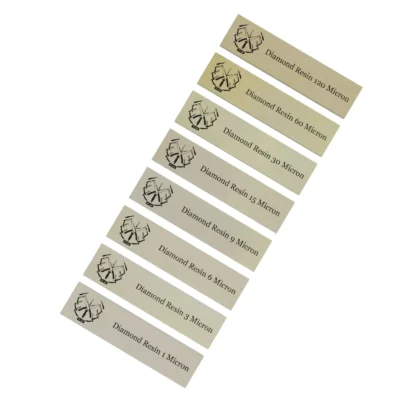
1×4 Diamond Resin Sharpening Stone for the KME Sharpener
$65.00 $319.00Price range: $65.00 through $319.00 -
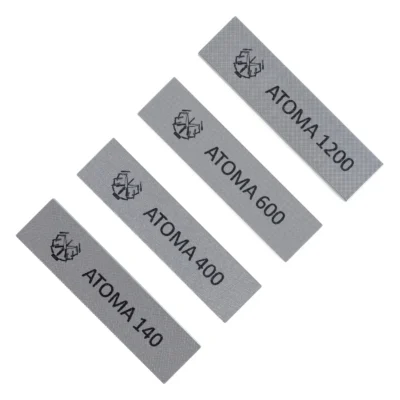
1×4 Professional Atoma Diamond Plate – For KME Sharpener
$50.00 $189.00Price range: $50.00 through $189.00 -
1×4 KME Naniwa Chosera Stone – Japanese Water Stone – For KME Sharpener
$40.00 $230.00Price range: $40.00 through $230.00 -
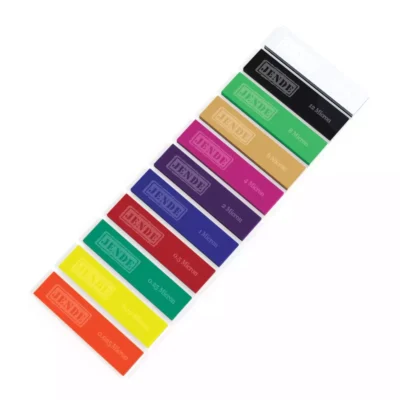
1×4 KME Diamond lapping Sharpening film 5 Pieces with Acrylic Base
$20.00 -
1×4 Jende Cow Leather Bench Strop – Fits KME Sharpener
$20.00 -
1×4 Jende Kangaroo Leather Bench Strop – Fits KME Sharpener
$20.00 -
1×4 Jende Rough Leather Strop
$20.00 -
1×4 Jende Hard Felt Strop
$20.00 -
1×4 Suehiro Gokumyo Sharpening Stone – 15K Sharpening Stone
$95.00 -
1×4 Suehiro Gokumyo Sharpening Stone 20K
$99.00 -
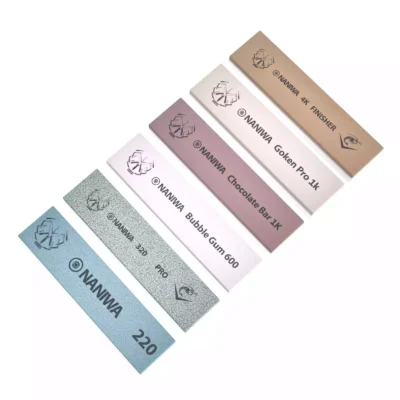
1×4 KME Naniwa Sharpening Stone
$15.00 $140.00Price range: $15.00 through $140.00 -
KME Sharpener Recurve Rod
$59.00 -
1×4 Naniwa Stone – 8K Snow White Water Stone – For KME Sharpener
$48.00 -
1×4 KME Sharpening Stones – For KME Sharpener
$15.00 $30.00Price range: $15.00 through $30.00 -
1×4 King 1K Sharpening Stone for KME Sharpener
$12.00 -
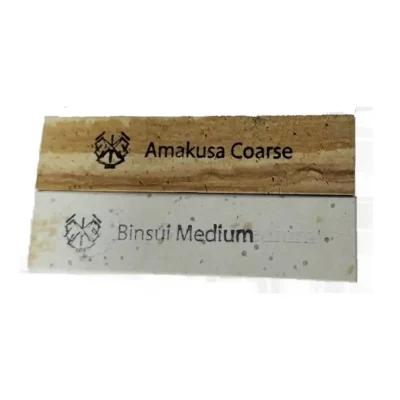
1×4 Amakusa and Binsui stone – Japanese Natural Stones – Fits KME Sharpener
$20.00 $25.00Price range: $20.00 through $25.00 -
1×4 KME Silicon Carbide Sharpening Stone 80/120 Grit
$30.00 -
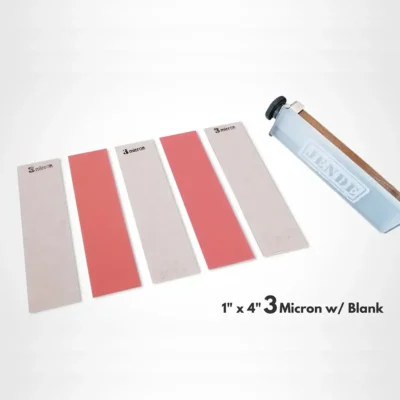
1×4 KME Sharpener Acrylic Lapping Film Blank 5mm
$5.00 -
1×4 sharpening stones for KME Sharpener ( Water Stones )- Speckled Stones
$35.00 $50.00Price range: $35.00 through $50.00






Are KME stones suitable for all knife types?
Yes, KME stones can sharpen most knife steels, including stainless steel, high-carbon, and even ceramic blades when used with appropriate grit levels and techniques.
How do I maintain my KME sharpening stones?
To maintain optimal performance, clean the stones regularly with water and a soft brush to remove metal particles and slurry. Avoid using harsh chemicals or abrasive cleaners that might damage the stones.
Can I use the KME stones without the full sharpening system?
While the stones can be used on flat surfaces, they’re designed specifically for the KME guided system to maintain consistent angles and ease of use, especially for beginners and professionals seeking repeatable results.
What are 1×4 Atoma Diamond Plates used for?
1×4 Atoma Diamond Plates are compact, high-quality sharpening surfaces used for flattening, bevel setting, and sharpening knives and tools. Their diamond abrasive surface makes them ideal for fast metal removal and consistent results, especially in guided sharpening systems like KME.
Are 1×4 Atoma plates compatible with the KME sharpening system?
Yes, 1×4 Atoma plates are widely used with the KME system. Their 1x4 inch size fits KME stone holders perfectly, providing consistent sharpening angles.
How long do Atoma diamond plates last?
Atoma plates are highly durable. The diamond abrasive layer is electroplated onto a solid steel substrate, offering long life with proper use. However, longevity depends on frequency and pressure of use—avoid excessive force to extend the plate’s lifespan.
Do I need to lubricate Atoma diamond plates?
It’s recommended to use water as a lubricant while sharpening. This helps reduce heat, flush away metal debris, and keep the plate clean. Avoid using oil on Atoma plates.
What are 1×4 Diamond Resin Stones used for?
1×4 Diamond Resin Stones are precision sharpening stones used in guided systems (like KME or TSProf) for fine edge refinement and polishing. They consist of diamond abrasive particles embedded in a resin bond, offering a smoother and more controlled cutting action than electroplated plates.
How do Diamond Resin Stones differ from diamond plates like Atoma or DMT?
Unlike electroplated diamond plates that have a coarse, aggressive feel, resin-bonded diamond stones are smoother and provide better feedback. They remove less material per pass, making them ideal for polishing and finishing edges without deep scratches.