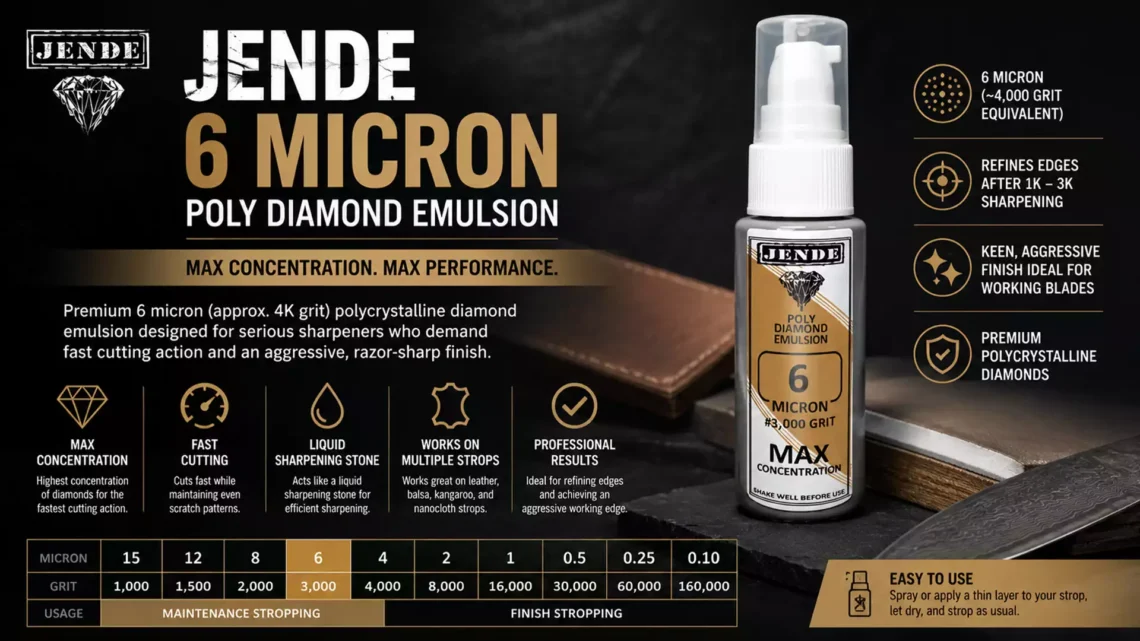
Sharpening stones also known as whetstones are blocks of abrasive material used to hone the edge of a blade. Despite the word “whet” sounding like it has to do with water, it actually means “to sharpen.” These stones come in various types, materials, and grit levels, each serving a specific purpose.
Types of Sharpening Stones
1. Natural Stones
These are quarried from the earth and prized for their unique mineral compositions. Popular examples include Arkansas stones and Japanese natural stones. They often provide a smoother sharpening experience but can be more expensive and variable in quality.
2. Synthetic Stones
Made from bonded abrasives like aluminum oxide or silicon carbide, synthetic stones are more consistent in grit and easier to produce. They’re ideal for most users thanks to their predictability and range of grit options.
3. Diamond Stones
These feature industrial-grade diamond particles bonded to a metal plate. They cut extremely fast and remain flat over time, making them excellent for hard steels or tools that need frequent touch-ups.
4. Ceramic Stones
Dense and long-lasting, ceramic stones offer very fine grits and are great for polishing and finishing edges. They tend to be used in the final stages of sharpening.
Understanding Grit Levels
The grit level of a sharpening stone determines how much metal it removes from the blade.
- Coarse (200–600 grit): Best for repairing chips or reshaping edges.
- Medium (800–2000 grit): Ideal for general sharpening.
- Fine (3000–8000+ grit): Used for refining and polishing the edge for a razor-sharp finish.
Think of it like sanding wood—start coarse to shape, then go finer for smoothness.
How to Use a Sharpening Stone (Basic Steps)
- Soak (if required): Water stones often need to be soaked for 10–15 minutes. Oil stones require a light coating of honing oil. Diamond and ceramic stones usually don’t need prep.
- Position the Stone: Place it on a non-slip surface or use a stone holder for safety.
- Angle the Blade: Maintain a consistent angle, typically 15°–20° for kitchen knives.
- Sharpen: Glide the blade across the stone, edge first, in smooth strokes. Repeat evenly on both sides.
- Rinse and Wipe: Clean your blade and stone after sharpening to remove metal particles.

Why Choose Sharpening Stones Over Other Methods?
- Precision: You control the angle and pressure.
- Versatility: Suitable for all kinds of blades—kitchen knives, chisels, razors, etc.
- Edge Quality: Stones produce a cleaner, longer-lasting edge compared to electric sharpeners.
- Satisfaction: There’s something deeply satisfying and meditative about sharpening by hand.
Understand Your Sharpening Stone Needs
Before buying a sharpening stone, ask yourself:
- What kind of tools or knives will you sharpen?
- Kitchen knives?
- Straight razors?
- Woodworking tools?
- How dull or damaged are they?
- Do you want a razor-sharp edge or just a functional sharpness?
Your answers will help you determine the grit and type of stone you need.
Know the Grit Ranges
Sharpening stones come in different grit levels, which affect how much metal they remove from your blade.
| Grit Range | Purpose | Use Case |
|---|---|---|
| 120–400 | Coarse – for repairing chips, reshaping edges | Damaged knives, new bevels |
| 800–2000 | Medium – general sharpening | Everyday kitchen or EDC knives |
| 3000–8000+ | Fine – polishing, honing, finishing | Razor edges, sushi knives, final touch |
Pro Tip: If you’re just starting, a combination stone with 1000/6000 grit is a versatile choice.
Size and Shape Matters
- Standard size: Around 7” x 2” is ideal for most kitchen knives.
- Smaller stones: Good for pocket knives or travel use.
- Larger stones: Better for chefs or frequent use.
Also consider stone holders or bases for stability, especially if sharpening longer blades.
Do You Need a Combination Stone?
If you’re a beginner or want to save space, a dual-grit stone (e.g., 1000/6000) is a great choice. It lets you sharpen and polish with one compact tool.
Maintenance Tools to Consider
- Flattening stone or lapping plate: Keeps your whetstone surface flat.
- Nagura stone: Used to clean and condition fine-grit stones.
- Stone holder: Keeps the stone steady and safe during use.
Popular Brands to Look At
- Naniwa – Famous for synthetic water stones (Chosera, Professional).
- Shapton – Fast-cutting and splash-and-go options.
- King – Affordable, entry-level water stones.
- DMT – High-quality diamond stones.
- Suehiro – Japanese stones with a wide grit range.
Final Thoughts
A sharpening stone is more than a tool, it’s a bridge between you and the performance of your blade. Whether you’re slicing vegetables, carving wood, or prepping a fishing knife, a well-maintained edge makes all the difference.
So if you haven’t yet, invest in a good sharpening stone. Learn the rhythm, respect the process, and keep your edge alive.Choosing a sharpening stone doesn’t have to be overwhelming. Start with the basics:
- A 1000/6000 water stone is perfect for most home cooks.
- A diamond plate is great for fast sharpening and harder steels.
- Add a fine finishing stone once you’re ready to take your edge to the next level.
With a good stone and a little practice, you’ll turn every blade into a precision tool.