Getting a knife truly sharp depends on using the right sharpening stone. Pick the wrong one, and you can end up wasting money without ever getting the results you expected.
With so many choices available 1×6 sharpening stones (water stones), oil stones, diamond plates, and others, it’s easy to go for something that looks appealing instead of what actually works. This guide is here to help you avoid that mistake and choose the right stone from the start.
1. Not All Stones Are Created Equal
Sharpening stones come in various materials, grits, and purposes. Choose a Sharpening Stone based on price or popularity alone is like buying a pair of shoes without knowing your size. Here are the most common types:
• Water Stones (Japanese)
- Use water as a lubricant
- Fast cutting and great for precision edges
- Require soaking or wetting
- Best for: Japanese knives, kitchen knives, enthusiasts
• Oil Stones
- Traditional sharpening method (e.g., Arkansas stones)
- Slower cutting speed
- Use oil for lubrication
- Best for: Tools, older carbon steel blades
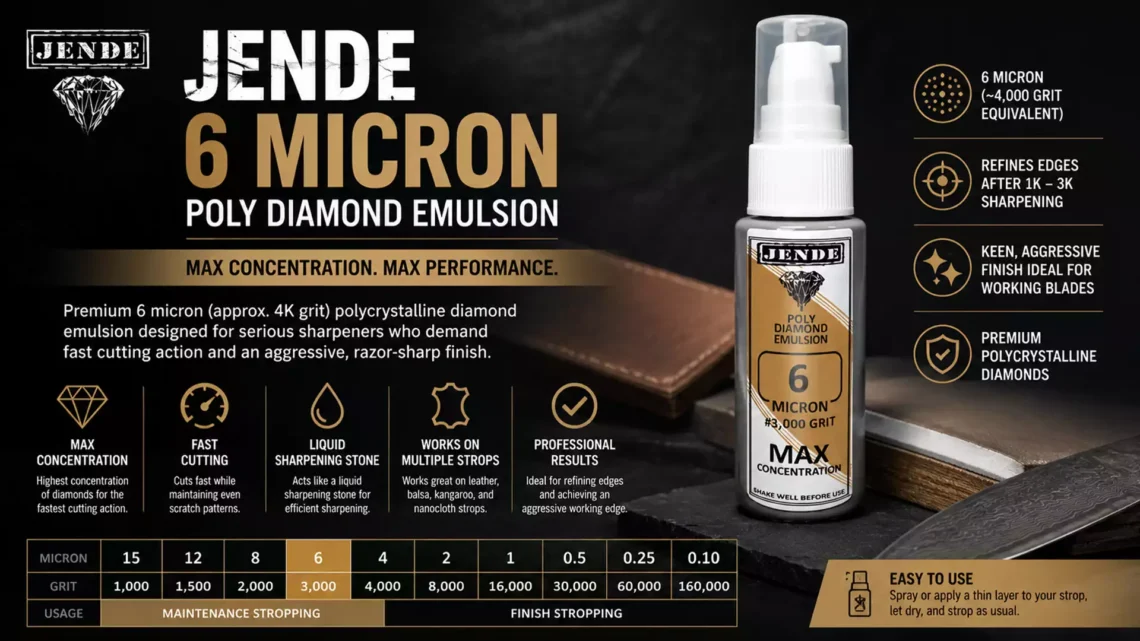
• Diamond Stones
- Ultra-hard, aggressive sharpening
- Don’t need lubrication (some use water)
- Long-lasting but less forgiving
- Best for: Hard steels, quick reshaping
If you buy the wrong type for your knife or skill level, you may end up with poor results—or worse, damage your blade.
2. Buying the Wrong Grit Level
Grit is everything in sharpening. If you don’t understand what grit you need, you’re likely to over-sharpen, under-sharpen, or simply waste time.
| Grit Range | Use Case |
|---|---|
| 200–600 | Repairing chips, dull blades |
| 800–2000 | General sharpening |
| 3000–8000+ | Polishing and honing |
Mistake alert: Don’t start with a high-grit polishing stone unless your knife is already sharp. Likewise, don’t only buy a coarse stone if you want a refined, smooth edge.
3. Cheap Stones Can Cost You More
Bargain-bin sharpening stones often:
- Wear out quickly
- Have uneven surfaces
- Provide inconsistent grit
- Fail to deliver a sharp edge
A $10 stone that doesn’t work is more expensive than a $50 one that lasts and performs well. Quality matters. Brands like Shapton, Naniwa, DMT, and King offer trusted products that sharpen efficiently and last longer.
4. Not Considering Your Knife Steel
High-carbon Japanese knives need a different approach than budget stainless blades. Harder steels (like VG-10, ZDP-189, or powdered steels) benefit from diamond stones or high-quality water stones. Cheap oil stones may struggle or cause excessive wear.
Tip: Match the sharpening stone to the hardness and type of steel you’re working with. If you’re unsure, start with a 1000-grit water stone—it’s the sweet spot for most tasks.
5. You Need More Than Just One Stone
Sharpening is a process:
- Coarse to establish the edge
- Medium to refine it
- Fine to polish
If you only own one stone, you’re limiting your results. Consider a combo stone (like 1000/6000 grit) if you’re starting out—it’s cost-effective and covers the essentials.
How to Choose the Right Stone (Checklist)
- What type of knives are you sharpening?
- What’s the steel type and hardness?
- Do you want a mirror edge or just a serviceable sharpness?
- Are you willing to maintain the stone (soaking, flattening)?
- Is the stone from a reputable brand?
The Bottom Line
Sharpening isn’t just about making knives sharp, it’s about choosing the right stone for the job. Don’t waste your money on the wrong sharpening stone. A little research, a few extra dollars, and a bit of know-how can make all the difference between a frustrating experience and a razor-sharp edge.