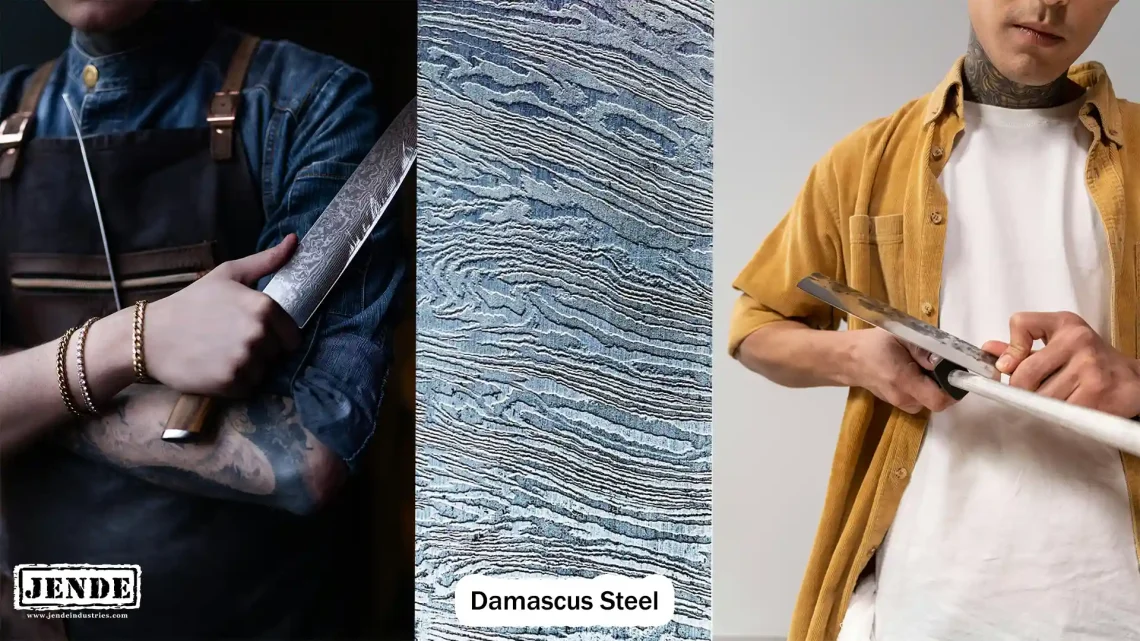
In the fast-paced and demanding world of professional kitchens, the state of a chef’s knife often becomes a reflection of their culinary prowess. While the unfortunate reality is that many chefs use their knives until they become dull and then simply replace them, some take the time and effort to sharpen their blades to perfection. In this exploration of knife sharpening in professional kitchens, we delve into the various methods employed by chefs, from diamond steels to water stones, and discuss the philosophy behind their choices.
Diamond Steels: A Controversial Choice
For those chefs who prioritize quick results, diamond steels can be tempting. However, their use comes with a cautionary tale. While these steels can indeed make a knife sharp, the edge they produce may not meet the standards of a proper edge, often resulting in a choppy, serrated finish. One chef compares the reliance on diamond steels to taking drugs to feel happy—an analogy highlighting the potential long-term drawbacks.
Furthermore, the chef advises against using diamond steels, suggesting that their imprecise nature makes it challenging to properly sharpen a knife. This cautionary stance emphasizes the importance of choosing a method that not only sharpens but also shapes the knife edge accurately.
Professional Services: Sending Knives Away
A philosophy adopted by some chefs involves outsourcing the knife sharpening process to professionals. Some restaurants subscribe to a knife exchange service where a designated professional trades out sharp knives for dull ones every few weeks. While this ensures a constant supply of sharp knives, the quality of the knives provided may be subpar, often being inexpensive and poorly maintained.
Individual chefs also have the option to send their knives to professionals for sharpening. This method guarantees a sharp edge but may involve additional costs. The service may include polishing the knives, restoring broken tips, and reshaping blades.
Tri-Oil Stones: A Traditional Approach
Some kitchens opt for the use of tri-oil stones, which typically have three different grits. The finest grit often includes diamond flecks for added abrasiveness. While these stones offer an effective sharpening solution, they come with drawbacks. The coarse nature of the stones can wear down a 1000-grit edge relatively quickly, necessitating frequent re-sharpening. Additionally, the use of mineral oil for lubrication can be messy, and the need for regular cleaning may deter some users.
Professional Knife Sharpeners: The Wheel Approach
Professionals in the field of knife sharpening often utilize powered grinders equipped with wheels. The effectiveness of these sharpeners can vary, with some capable of only sharpening dull knives to a slightly improved state, while others excel at highly polishing blades. Notably, the well-known CutCo brand employs a wheel-based approach in their knife sharpening process.
Water Stones: The Choice of Serious Chefs
Water stones emerge as a preferred choice for serious chefs dedicated to honing their knife skills. The recommendation is to use at least three different grits—an 800 for coarse sharpening, a 1000 for refinement, and a 3-6000 for polishing. The difference in grit levels may seem subtle, but it significantly impacts the sharpness of the blade. The chef emphasizes the importance of investing in higher grit stones for a noticeable improvement in performance.
The use of water stones is praised for its versatility and precision. The chef advises against using a stone fixer too frequently, highlighting that it is not essential for regular maintenance. Water stones are recognized for their effectiveness in maintaining a sharp edge with proper care.
Additional Techniques: Leather Strops and Beyond
Some chefs, in pursuit of the utmost precision, turn to additional techniques like leather strops and other razor equipment. However, the chef expresses skepticism about the necessity of such methods. While they may be suitable for specific tasks, for general kitchen purposes, a 6-8000 grit water stone is deemed sufficient.
The Art of Knife Care
Knife care goes beyond mere sharpening—it involves shaping the edge accurately. The chef emphasizes the importance of understanding the stroke, particularly for left- or right-handed individuals. Flipping the stone and using opposite edges ensures an even polish on both sides of the knife, preventing uneven wear.
Knives dull differently based on what they cut, and chefs are encouraged to consider their cutting patterns. While sushi chefs, for instance, may maintain incredibly sharp knives due to their soft meat slicing, chefs dealing with harder ingredients may need to sharpen more frequently.
Conclusion:
Knife sharpening, as the chef describes, is a long commitment requiring dedication and skill. In the high-pressure environment of a professional kitchen, it’s easy to succumb to shortcuts, such as knife exchange services or quick fixes like diamond steels. However, those who commit to maintaining sharp knives experience a transformation in their work. The analogy of breaking through walls versus discovering a door illustrates the profound impact a sharp knife can have on a chef’s skills and efficiency.
In the world of culinary arts, where precision is paramount, a well-maintained and sharpened knife is more than a tool—it’s a gateway to elevated craftsmanship and finesse. As chefs strive for excellence in every aspect of their work, the commitment to a sharp knife becomes a tangible and essential part of their culinary journey.