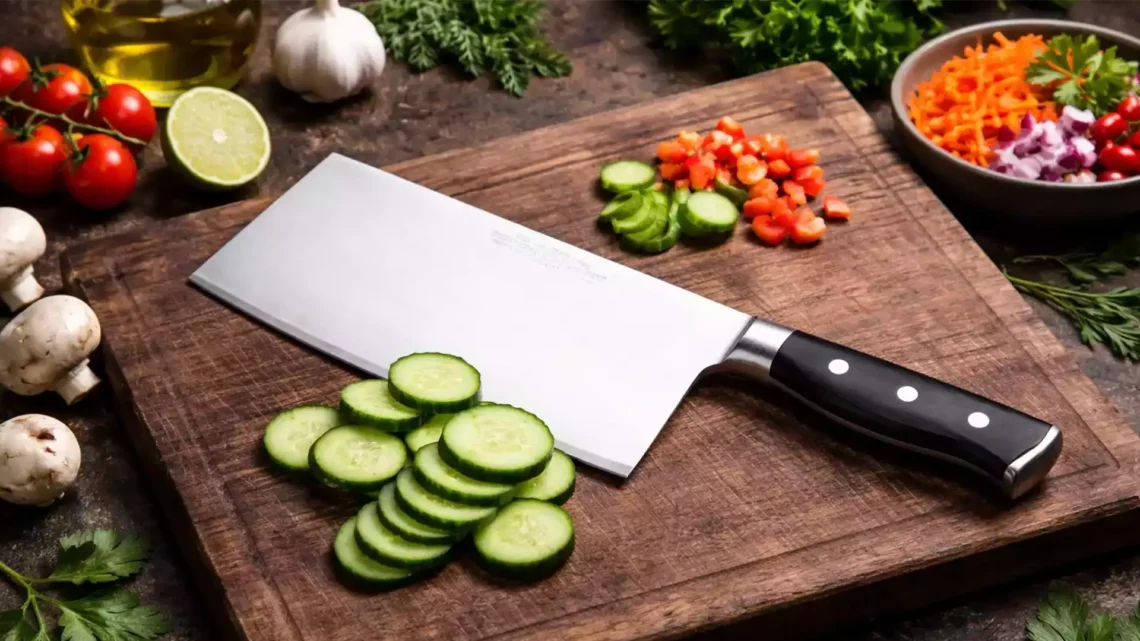
When choosing between Damascus knives and Carbon Steel knives, it’s important to understand the distinct characteristics and advantages of each. Both types of knives are superior to standard kitchen knives, but they differ in several key aspects:
- Composition
Damascus Steel is created by combining and forging together different steel alloys or a mix of iron and steel. The process involves folding and welding the metals to create a layered, patterned effect.
Carbon Steel: Derived primarily from carbon, this steel is known for its hardness. It offers excellent edge retention and resistance to abrasions due to the high carbon content.
- Texture
Damascus steel features intricate designs like swirls or waves on the blade’s surface. These patterns are a result of the folding and forging process.
Carbon Steel: Typically has a more minimalist and modern appearance. The texture is straightforward, focusing on functionality rather than decorative patterns.
- Appearance
Damascus Steel: Renowned for its elegant and ornate look, Damascus knives are often considered the most attractive kitchen tools. Their historic craftsmanship adds to their visual appeal.
Carbon Steel: While practical and functional, carbon steel knives are less visually dramatic. They are designed with a more utilitarian aesthetic.
- Price
Damascus steel knives tend to be more expensive. The intricate production process contributes to their higher cost.