A small butchering knife is a compact, specialized knife used for processing meat, particularly for tasks that require precision or are done on smaller cuts of meat. Unlike larger butcher knives or meat cleavers, small butchering knives offer better control and are ideal for more detailed work.
When purchasing a small butchering knife, consider the following factors to ensure you get a high-quality tool that meets your needs:
1. Blade Material
- High-Carbon Steel: Offers excellent sharpness and durability. It’s easier to sharpen and holds an edge well but may require more maintenance to prevent rust.
- Stainless Steel: More resistant to rust and corrosion, making it easier to maintain, but may not hold an edge as well as high-carbon steel.
- VG10 or German Steel: Premium options that provide a balance of sharpness, edge retention, and corrosion resistance.
2. Blade Shape & Length
- Curved Blade: Provides more control when making precise cuts, like trimming fat or removing silver skin.
- Straight Blade: Better for making long, clean cuts through meat.
- Blade Length: Typically, a small butchering knife has a blade length of around 5-6 inches. Shorter blades offer more maneuverability and precision, especially for smaller tasks like trimming and deboning.
3. Handle Design
- Look for a handle that fits comfortably in your hand and provides a secure grip even when wet. Materials like rubber or textured plastic offer slip resistance.
- Ergonomically designed handles reduce hand fatigue during long butchering sessions.
4. Weight and Balance
- A lightweight knife provides better control for precise cuts. Make sure the knife is balanced between the blade and the handle for ease of use.
5. Knife Flexibility
- Some small butchering knives have a bit of flexibility in the blade, which is helpful for deboning and trimming tasks.
6. Brand and Price
- Victorinox, Dexter-Russell, and Wüsthof are reputable brands known for quality butchering knives.
- Prices can range from $30 to over $100 depending on the brand and blade material. Investing in a high-quality knife can save you money in the long run due to durability and performance.
7. Maintenance Requirements
- Consider how easy the knife is to maintain. Some blades require frequent sharpening or special care to prevent rust. A honing steel or sharpening stone may be needed.
Recommendations:
- Victorinox Fibrox Pro 6-Inch Curved Boning Knife: Good for precision cutting and known for its comfortable handle and blade sharpness.
- Dexter-Russell 6-Inch Boning Knife (S131F-6PCP): Durable and sharp with a flexible blade, ideal for deboning and trimming.
- Wüsthof Classic 5-Inch Boning Knife: High-quality German steel, durable and well-balanced with a full tang construction.
- Master Kuo G3 Small Butchering & Fish Knife – Taiwan Tuna Knife
Here’s a compact comparison table for small butchering knives, including meat cleavers and similar tools:
| Knife Type | Blade Length | Best For | Key Features |
|---|---|---|---|
| Meat Cleaver (Small) | 6–7 inches | Chopping bone/meat | Thick blade, heavy weight, blunt edge |
| Boning Knife | 5–6 inches | Removing bones from meat | Narrow, flexible blade, pointed tip |
| Butcher Knife | 6–8 inches | Slicing, trimming meat | Curved edge, semi-stiff blade |
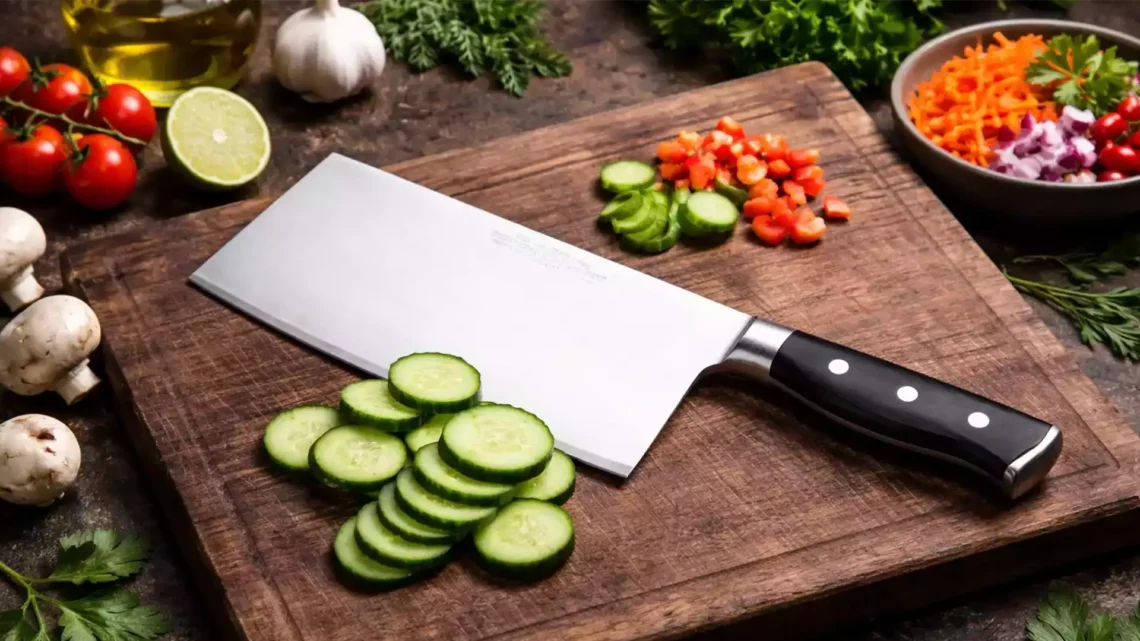
| Chinese Cleaver | 7 inches | General-purpose cutting | Wide blade, thin and versatile |
| Utility Knife | 4–6 inches | Trimming fat, small cuts | Lightweight, versatile |
Uses of Small Butchering knife:
1. Trimming Fat and Silver Skin
- Ideal for removing excess fat, connective tissues, or silver skin from cuts of meat without wasting valuable portions.
- The small size and sharp edge offer better control for delicate trimming.
2. Deboning
- Used to separate meat from bones, especially in poultry, fish, or smaller cuts of red meat.
- The pointed tip helps maneuver around joints and tight spaces.
3. Portioning
- Perfect for cutting meat into smaller, uniform portions, such as steaks, chops, or fillets.
- Allows precise slicing for even cooking.
4. Breaking Down Small Animals
- Useful for processing small game like rabbits or poultry.
- Handy for detailed work where larger knives might be cumbersome.
5. Slicing
- Can slice thin cuts of meat, such as deli slices or sashimi-style pieces, with accuracy.
6. Craft Butchery Tasks
- Works well for creating decorative cuts or carving intricate portions.
Common Types of Small Butchering Knives:
- Boning Knife: Narrow, pointed, often flexible—perfect for removing bones and trimming fat.
- Small Cleaver: Thicker blade for light bone chopping but in a more manageable size.
- Petty Knife or Utility Knife: Useful for trimming, slicing, and handling small meat portions.
- Breaking Knife (Small Size): Used for segmenting carcasses into primal or sub-primal cuts.
Maintenance Tips
- Keep it sharp for clean cuts and ease of use.
- Clean immediately after use to prevent rust or contamination.
- Store in a sheath or knife block to protect the blade and ensure safety.