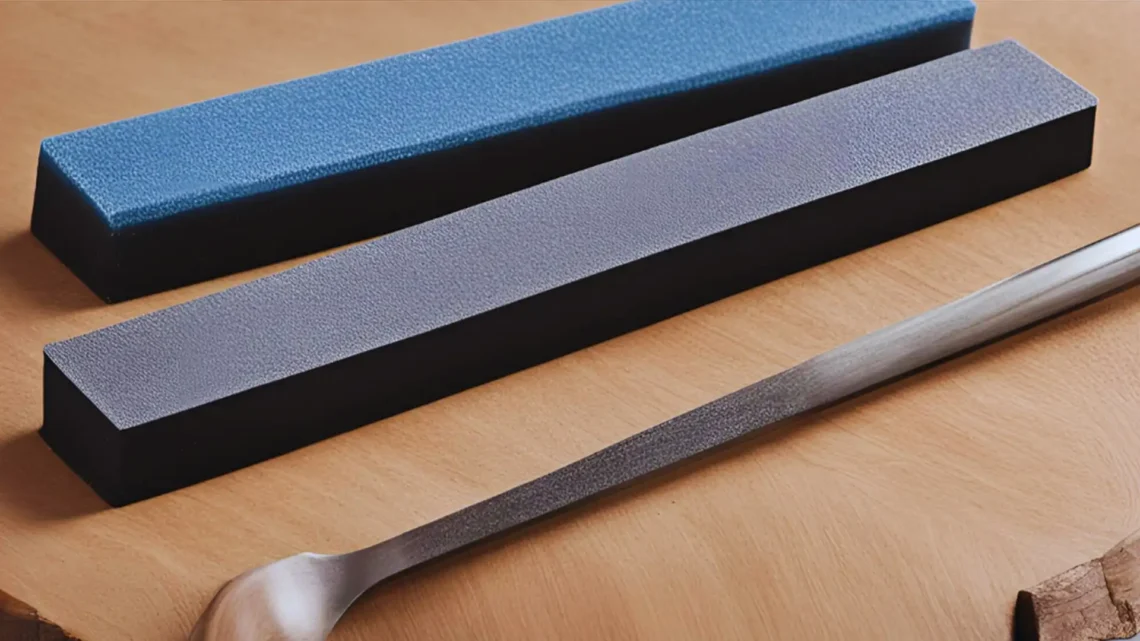
Silicon carbide stones are abrasive tools used for sharpening and grinding. Made from silicon carbide, a very hard and durable material, these stones are commonly used in sharpening knives, chisels, and other cutting tools. The stones come in various grit levels, from coarse to fine, allowing users to start with more aggressive sharpening and progress to a fine polish.
Common Silicon Carbide Stone Sizes
| Type | Approximate Size | Use Case |
|---|---|---|
| Pocket Stone | 3″ × 1″ × 0.5″ (75 × 25 × 13 mm) | Portable, field sharpening (e.g., knives) |
| Bench Stone (Small) | 6″ × 2″ × 1″ (150 × 50 × 25 mm) | General sharpening, compact workspaces |
| Bench Stone (Standard) | 8″ × 2″ × 1″ (200 × 50 × 25 mm) | Most common for knives, tools |
| Large Bench Stone | 10″ × 2.5″ × 1″ (250 × 63 × 25 mm) | Ideal for larger blades and tools |
| Honing Stone Block | 11.5″ × 2.5″ × 1″ or larger | Often used in professional kitchens |
| Whetstone Slab | Varies (up to 12″+ long) | Sharpening large tools like machetes, axes |
Key Features:
- Abrasive Nature: Silicon carbide is a very hard abrasive, ranking high on the Mohs hardness scale. This makes it effective for sharpening a wide range of materials, including high-carbon steel and stainless steel.
- Fast Cutting: Compared to other stones, like aluminum oxide or natural stones, silicon carbide stones cut faster due to their sharp and aggressive grains.
- Variety of Grits: They come in different grits, such as coarse (around 120 grit) for heavy grinding and fine (up to 1000 grit or more) for finishing.
- Applications: Ideal for sharpening kitchen knives, garden tools, and industrial tools, and can also be used for smoothing metal, glass, ceramics, and even some hard plastics.
Maintenance:
Silicon carbide stones can wear unevenly with use, so flattening or lapping them periodically is necessary. Additionally, they can be used with water or oil as a lubricant to improve the sharpening process and reduce metal buildup.
Silicon carbide stones are versatile stones used in various applications for sharpening, grinding, and finishing.
Common uses:
1. Sharpening Knives and Cutting Tools
- Kitchen Knives: Silicon carbide stones are popular for sharpening kitchen knives, especially harder steel blades. The coarse grit can reshape dull or damaged edges, while finer grits refine the edge for a razor-sharp finish.
- Chisels and Planer Blades: Woodworking tools like chisels, planer blades, and carving tools benefit from the fast cutting action of silicon carbide stones to restore and maintain sharp edges.
- Utility and Hunting Knives: The stones can be used to sharpen outdoor knives, pocket knives, and hunting knives, which often have hard blade materials.
2. Grinding and Smoothing Surfaces
- Metalworking: These stones can grind down metal surfaces, remove burrs, or smooth welds and rough edges. The fast-cutting nature of silicon carbide is ideal for tougher metals.
- Glass and Ceramic Work: Silicon carbide stones can shape, smooth, and polish glass or ceramic objects, making them useful in glassblowing, ceramics, and similar crafts.
- Tool Maintenance: They can be used to reshape or resurface tools, such as files and scrapers, ensuring that they function efficiently.
3. Polishing and Finishing
- Finishing Metal Parts: After grinding, silicon carbide stones can be used with finer grits for polishing metal surfaces, providing a smooth, polished finish.
- Stone and Concrete Work: They are effective in smoothing and polishing stone, concrete, or even tile edges, making them useful in construction or masonry.
4. Deburring
- Removing Sharp Edges: When parts are cut, drilled, or machined, they can develop sharp or rough edges. Silicon carbide stones can effectively deburr and smooth these edges.
5. Honing Cylinders and Bores
- Engine Work: In automotive applications, they can be used for honing engine cylinders and other precision parts, improving the fit and finish of components.
Tips for Using Silicon Carbide Stones:
- Lubrication: Use water or oil as a lubricant during sharpening to prevent clogging and heat buildup.
- Flattening: Regularly flatten the stone’s surface to maintain even sharpening and prolong its lifespan.
- Grit Selection: Start with coarse grits for heavy material removal and switch to finer grits for polishing and finishing.
🔹 Notes
- These stones can be oil stones or water stones, though many silicon carbide types are designed to be used with oil.
- Larger stones are preferred for consistent edge angles and better control during sharpening.
These stones are suitable for users seeking fast, efficient material removal, and they can handle a variety of tasks across different materials.