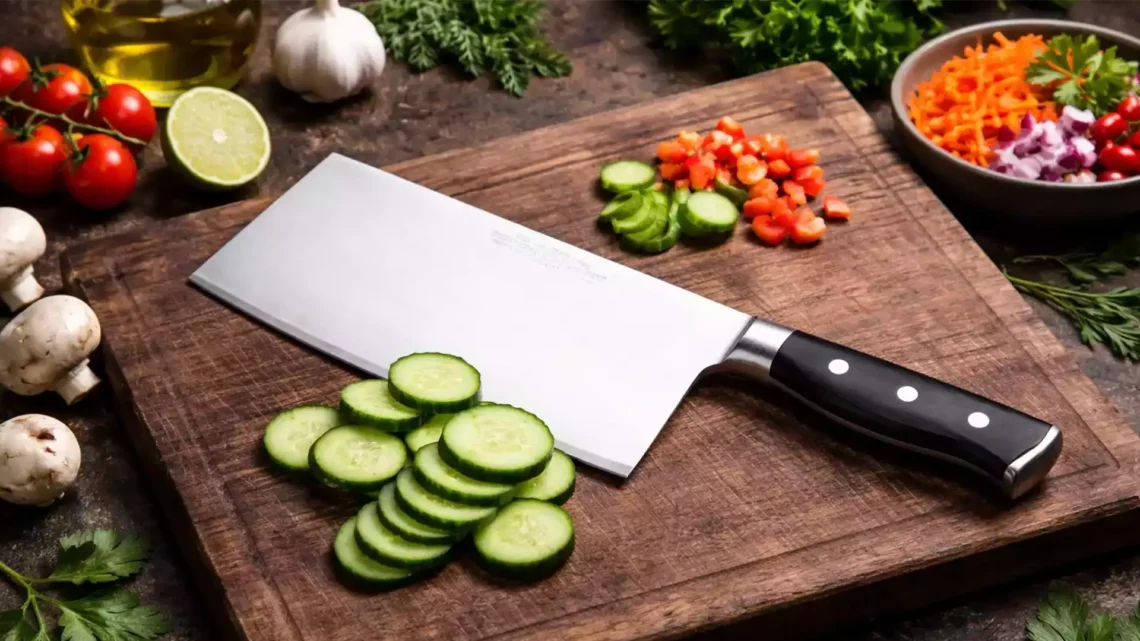
Knife sharpening is one of the very important skills that any kitchen enthusiast or a professional chef has to possess. Where many would opt for the electric sharpeners because of the ease associated with them, traditional water stones provide a very precise, time-honored method that can improve the quality of your blade. To that end, herein is a discussion on how to sharpen a knife using water stones, looking at the process step by step and giving tips that will yield one the perfect edge.
The Importance of Knife Sharpening
A well-honed knife will not only benefit from better cutting performance but will also grant you safety by minimizing the force applied while using it, as dull knives tend to slip and can cause one odd accident or another. This calls for regular maintenance. This guide will walk you through the basic techniques of using water stones for sharpening—a traditional method that borders on precision.
Understanding Water Stones
Water stones, also called whetstones, are the cornerstone of Japanese knife care. Many of them serve a specific purpose—or layer— in the sharpening process. They can be split into:
Middle Stones: Used for regular and everyday sharpening, these stones can range from about 800 to 2000 grit. Most sharpeners find a 1000-grit stone to be sufficiently aggressive, yet versatile, for general purpose use.
Finishing Stones: A large and sometimes varied range, the finishing stones are from 3000 to 30,000 grit and are used to further refine the edge, leading to a polished, razor-sharp finish. The higher the grit, the finer the polish.
Soak your water stones in water for 15 to 20 minutes before use. This hydration is crucial for their best performance, as they grind away metal to make a new edge.
Process for Sharpening
Here is a description of how to know the type of knife and the bevel ratio you have:
You should know the bevel ratio of your knife. Actually a Japanese chef knife may have a bevel of 70/30; perhaps your knife is similar. In this way one side is predominant, and in this case, the sharpener will associate with the right side if it is marked.
Lay your knife flat on the stone. Using two fingers raise the knife until the edge is level with the stone. A helpful hint is to set three pennies on the stone stacked and place the blade beside them to get the proper angle of the blade.
Start with the 1000-grit stone. Hold your knife with your thumb resting on the spine and your index finger on the heel of the knife while creating a consistent angle. First sharpen the back side of the knife, adding pressure as you push the blade down and easing off on the way up.
Sharpening the Dominant Side:
Flip the knife, and this time change your hold to where your thumb is over the heel and your index finger is on the spine. This time we will use two pennies to set a more shallow bevel angle. Start working with upward pushes and repeating in sections.
As you sharpen, a burr will form along the edge. This metal waste indicates that sharpening is occurring. Ensure burr is symmetrical from heel to tip.
Polishing/Finishing Stones
After the medium stone, you can move to a finishing stone – 8000 grit etc – to buff and hone the edge even further. Finishing stones are applied dry, as the lubrication can later lead to them cracking .
Polishing:
Start first with the back side, but do the same as for the medium stone while exerting lighter pressure. Move along the entire blade in stages to leave you with a sleek, shiny finish.
Checking the Edge:
A piece of paper is one way you can determine knife sharpness. The paper should slice through with little effort at all. Test over the whole length to see if you detect any dull areas.
Care of Your Stones
Over years, a water stone will get out of flat. In order to maintain flatness, there is a stone maintain fixer. It plays a role in resurfacing your stone so that it performs uniformly.
Final Thoughts
Knife sharpening on water stones may sound very intimidating; however, it is one of the skills that, after a person has done it a couple of times, becomes very intuitive and gives a lot of satisfaction. With this chapter, you’ll learn about your tools and go through the steps to finely hone an edge that will greatly improve both safety and efficiency in your kitchen work. After all, a well-maintained knife not only performs better but lasts longer, an investment in your culinary journey.