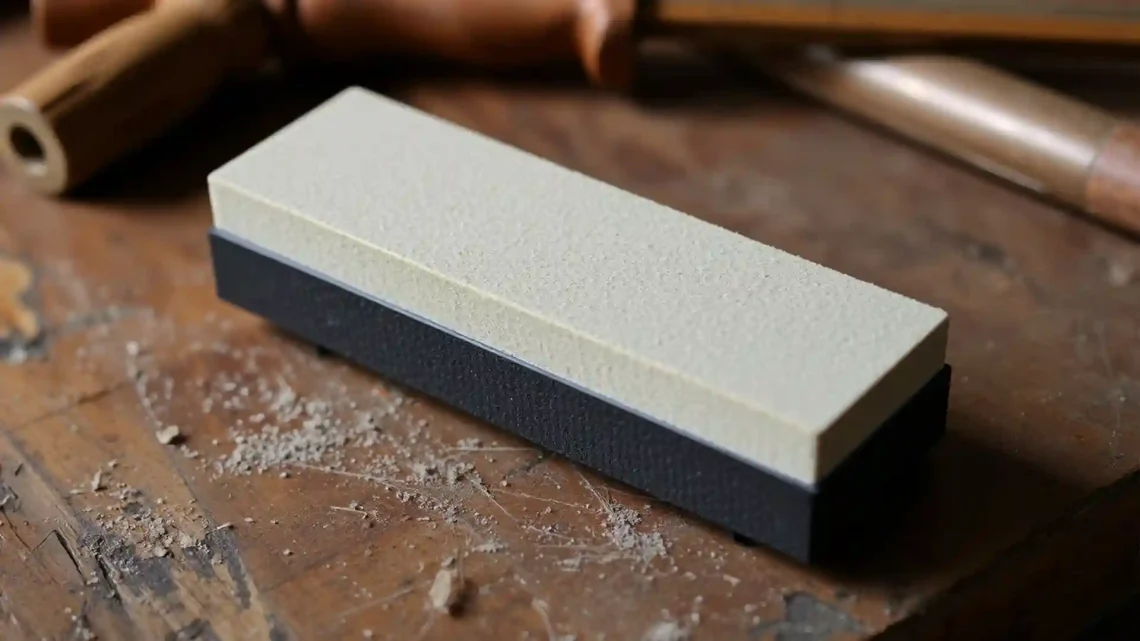
A coarse sharpening stone might not always be the first stone you think of, but it’s actually one of the most crucial ones you can own. Every day, we interact with customers who frequently ask if they really need a coarser sharpening stone in their collection.
Why a Coarse Stone Matters
A coarse stone is essential when you have a dull edge on your knife or tool. It’s the starting point for restoring the sharpness of your blade. When you have a very dull edge, this is the stone you’ll spend the most time with. Once you’ve used the coarse stone to bring the edge back, you move on to finer stones, which help to refine the edge and make it sharper and more precise.
Why Some People Skip Coarse Stones
Here are a few common reasons people choose not to buy a coarse sharpening stone:
- Saving Money: Many people want to save money and end up buying fewer stones. They might think that if they skip the coarse stone, they can spend less.
- Preventing Dullness: Some people believe they never let their tools or knives get too dull, so they don’t see the need for a coarse stone.
- Using Fine Stones Longer: There’s a belief that you can just use finer stones for a longer time to achieve the same results as using a coarse stone.
- High-Quality Tools: If someone has an expensive knife or tool, they might think that only the finest stones should touch it, avoiding coarse stones.
- Coarse Stones Are Often Cheaper
One of the misconceptions is that skipping a coarse stone will help save money. In reality, coarse stones are often priced the same or even less than fine stones. If you’re looking to save money, it makes more sense to skip the very fine stones rather than the coarse ones. We’re more than happy to help you find the right sharpening stones for your needs, even if it means choosing more economical options.
Why Everyone Ends Up with a Dull Edge
Eventually, everyone ends up with a dull edge, even if they take great care of their tools or knives. It’s true that some people might avoid dull edges by sharpening their tools daily and using them carefully. However, it’s very common for knives or tools to become dull over time due to regular use or accidents, so having a coarse stone is often necessary.
When to Start with a Coarse Stone
You should definitely start with a coarse stone in the following situations:
- Dullness from Use: If your knife or tool has become dull from frequent use, a coarse stone is your best starting point.
- Improper Initial Sharpening: Sometimes tools or knives aren’t sharpened properly when they are first made or purchased. A coarse stone helps correct this.
- Changing Edge Angles: If you need to change the angle of your blade’s edge, a coarse stone is necessary to reshape it before refining with finer stones.
- Damage from Accidents: If your tool or knife was damaged—such as hitting a nail or being dropped—using a coarse stone will help restore its edge.
- Old and Dull Tools: If someone brings over an old knife that hasn’t been sharpened in many years, starting with a coarse stone is essential.
- Coarse Stones Work Faster
Using a coarse stone is much faster compared to using a fine stone for the same job. While theoretically, you could use a fine stone to achieve the same results, in practice, it takes significantly more time. You might find that using a fine stone can take five to ten times longer than a coarse stone to achieve the same sharpening results. If you have unlimited time and don’t mind wearing out your fine stone quickly, you might choose to use only finer stones. However, for most people, a coarse stone is a more practical and time-efficient choice.
Coarse Stones on Quality Tools
Even high-quality tools and knives should start with a coarse stone if they become dull. Once you’ve used the coarse stone to restore the basic edge, you then move to finer stones to refine and polish the edge for optimal sharpness.
There are some exceptions to this rule. Extremely delicate blades, like straight razors or knives with very thin edges, require a more careful approach. For these delicate items, you might avoid using a coarse stone to prevent damage.
Popular Coarse Sharpening Stones
Norton Oil Stones: Norton offers some great and affordable coarse oil stones. Their Norton India Stones are made from aluminum oxide and come in a 150 grit, while their Crystolon Stones, made from silicon carbide, are available in a 120 grit.
Water Stones: Water stones are available from various manufacturers and are commonly found in a 220 grit. For a full list of coarse water stones, check out our Water Stones page.
Diamond Stones: DMT is known for its popular diamond stones. Their coarse grit is usually 325, but the extra coarse 220 grit is often considered the best choice for a coarse diamond stone. We offer a range of sizes and prices to fit different needs.
Some coarse grit stones we offer:
- Jende Diamond plate 80 grit, 120 grit (1×6)
- Atoma 140 (1×4 and 1×6)
- Naniwa 220 (1×4 and 1×6)
- Naniwa 320 Pro (1×4 and 1×6)
- Jende 80 grit stone (1×4 and 1×6)
- Jende Diamond Films 80 micron, 60 micron 1×4, 1×6, 2×6, 210×70, WEPS