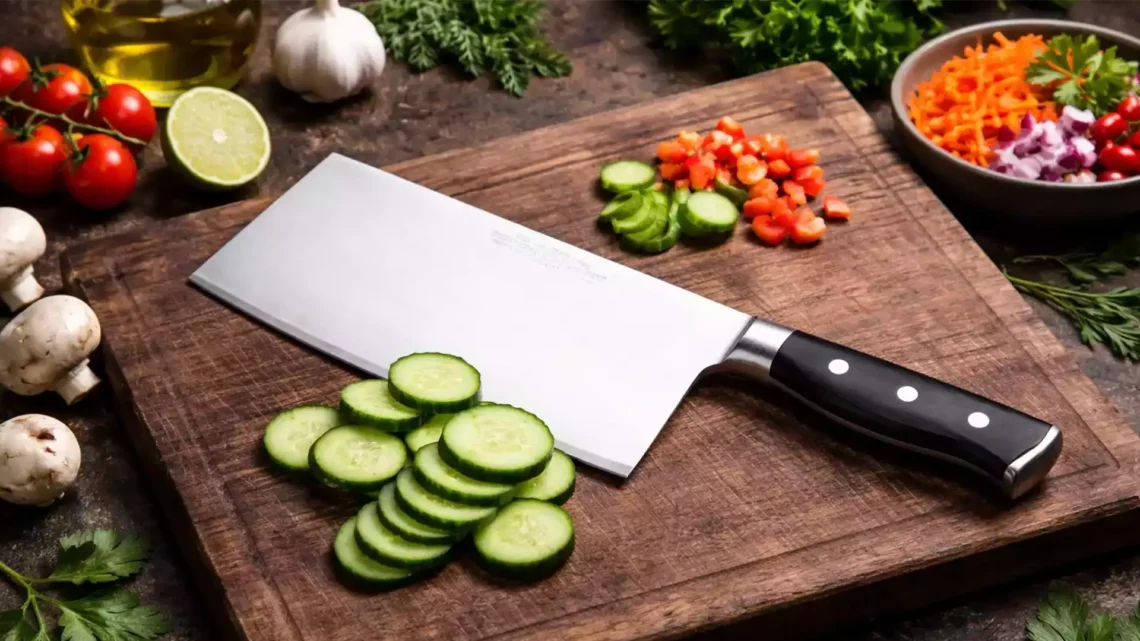
Any experienced chef will tell you that nothing is as important as having a sharp knife when you are slicing and dicing in the kitchen. Maybe you have heard of the Obsidian blades being frighteningly sharp, but they can easily break when used for kitchen knives. In the past, they were employed in making arrows and Samurai Swords while today; they are mostly used in surgeries.
So what indeed makes a good kitchen knife? Let us break it down:
Obsidian Blades:
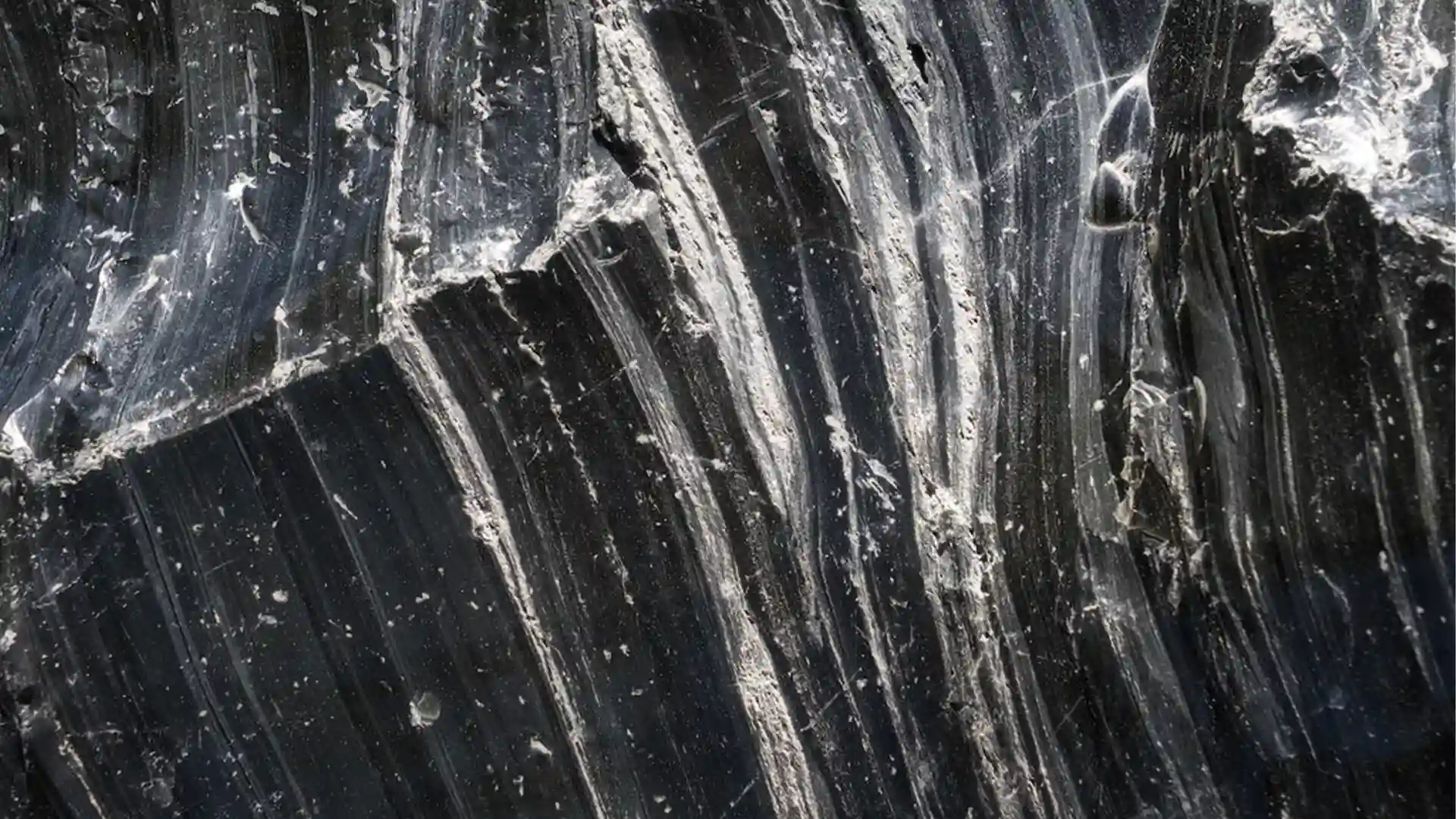
Obsidian blade is a kind of glass originating from fast cooling of molten lava. It has been in existence for thousands of years and has always been very sharp, but it’s too fragile to apply generally with respect to any common tasks in the kitchen. Actually, within Knife Sharpness System tests, it even snaps. That’s why chefs or home cooks often select harder materials for their knives.
Different Materials Used to Make Kitchen Knives:
Stainless Steel: This is still one of the most used, due to the non-rusting ability and resistance to many other conditions. It is dishwasher safe and will carry no odor from the food.
German Steel: German steel has the reputation of being durable and sharp. It is a friendly material to the environment because less energy is used in its production process.
Damascus Steel: Very hard steel; it forms the characteristic wave pattern on the blade, and that looks pretty nice. A little expensive, but one gets what is paid for in both quality and longevity.
Japanese Steel High Carbon: Very sharp knives; hence, good for fine cutting portions. You have to take only a little more care not to let it rust out, but really great for a cuisine enthusiast.
Now, which type of knife material reigns supreme really depends on what you’re looking for in your kitchen. Whether you’re hacking through tough meat or delicate veggies, there’s a knife out there for everyone.
Choose Your Knife:
Consider what, primarily, you’re going to be using the knife for. Is this something you’ll have to do heavy-duty chopping with, or perhaps something light and not bulky so that it may not drag you down for more delicate work? Not to mention the handle material—wood, stainless steel, pakkawood—all have different feels and durability.
Keeping Your Knife Sharp :
Whichever knife you are going to go in for, it is very important for you to keep them sharp. It is not only much safer on behalf of the cook but also a lot easier while cooking. One could do this at home with the help of a knife sharpener or, if one isn’t sure, take it out professionally so that edge would remain in top-notch condition.
Conclusion:
Ultimately, the best kitchen knife is one that suits what and how you cook—German steel, Damascus steel, Japanese steel, and stainless steel materials for picking that perfect knife. Keep in mind: a sharp knife is always the chef’s best friend in the kitchen!
Explore more tips on choosing the perfect kitchen knife and how to keep that edge sharp on our blog. Happy cooking!