When it comes to handling large, high value fish like tuna, using the right knife is not just a matter of convenience, it’s essential. Tuna knives, also known as maguro bocho in Japanese, are specially made to break down massive tuna fish with efficiency, precision, and minimal waste.
What is a Tuna Knife?
A tuna knife is an elongated, razor-sharp blade specifically designed to process large fish, especially whole tuna. These knives can reach lengths of 30 to 60 inches, often requiring two people to operate effectively. The extreme length allows for long, clean cuts, which are crucial for maintaining the integrity of the fish’s flesh, especially for high-grade sashimi.
Key Features of Tuna Knives
1. Blade Length and Thickness
Tuna knives are significantly longer than typical kitchen knives. This length ensures that cuts can be made in a single stroke, preventing unnecessary tearing or sawing. The blade is also thick enough to handle the dense, fibrous texture of tuna muscle.
2. Steel Quality
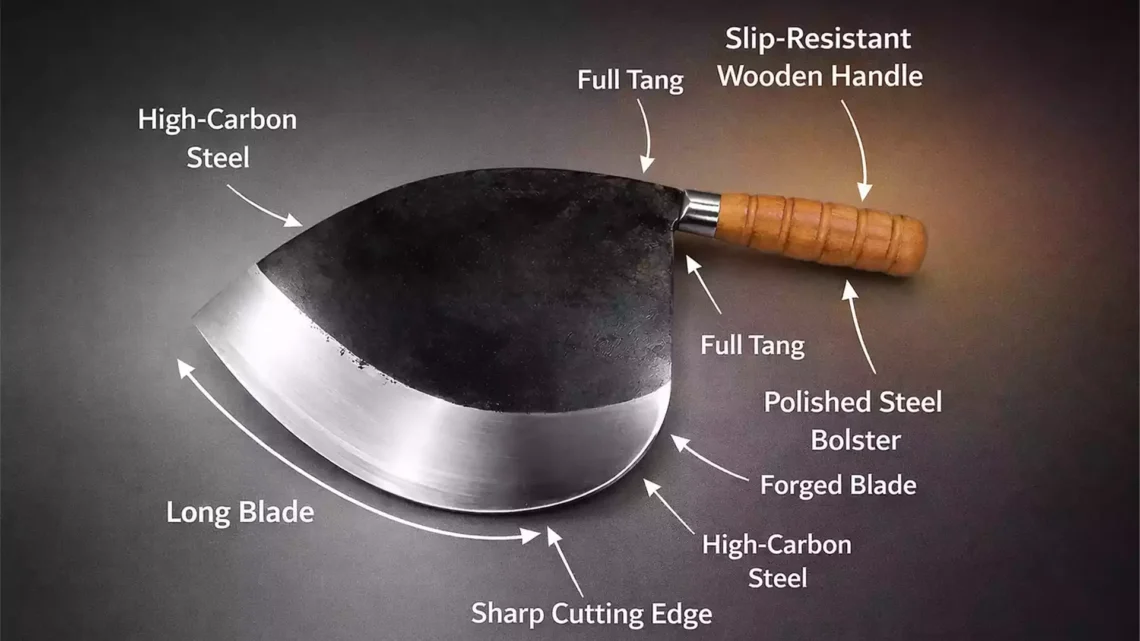
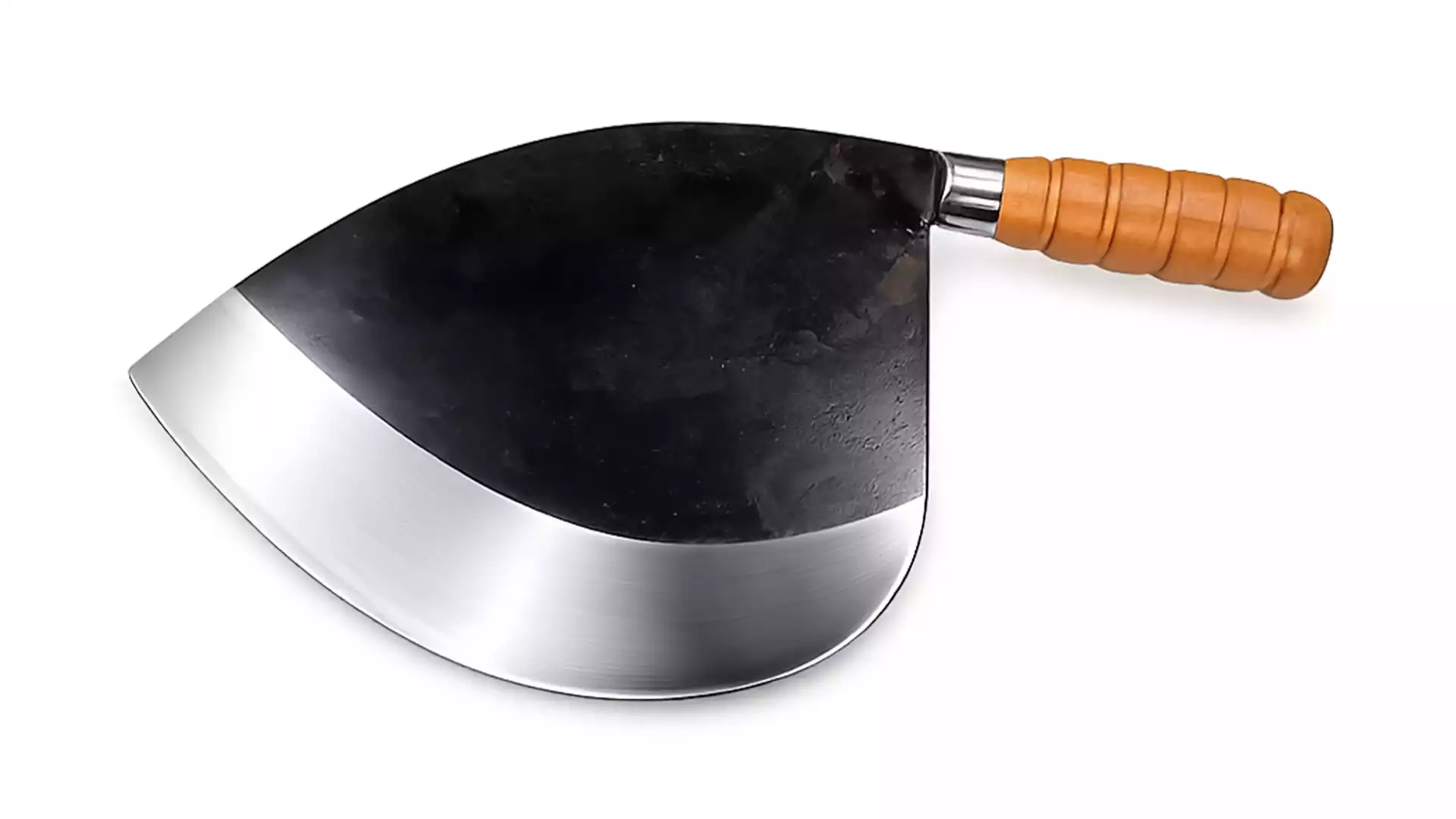
High-carbon stainless steel or traditional Japanese carbon steel (If you are interested in a Chinese slicer cleaver, check out this cleaver knife made with high-carbon Japanese core steel ).is often used for its sharpness and durability. These materials retain a keen edge, which is essential for precise cuts.
3. Handle Design
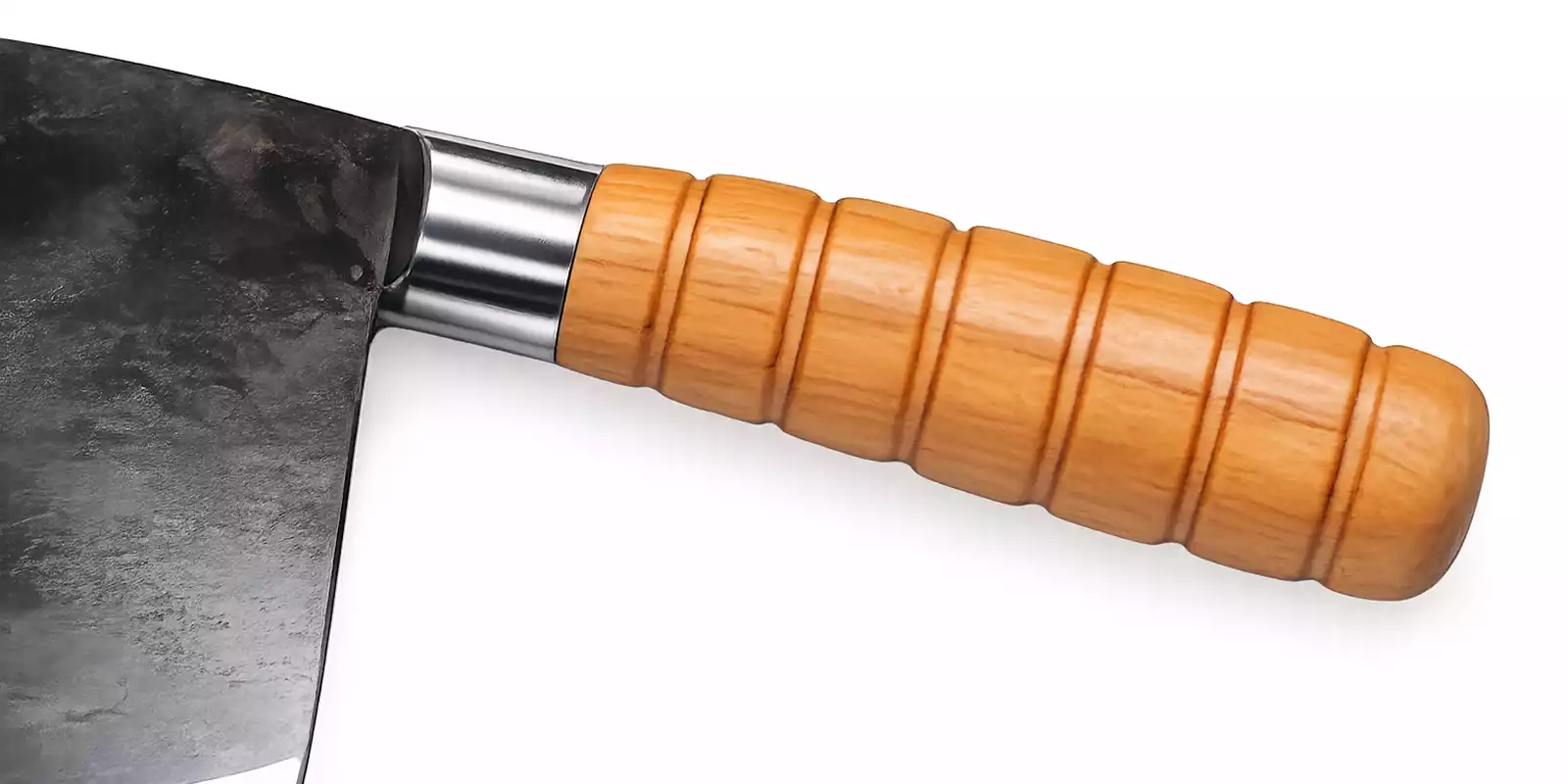
Handles are typically made from wood or resin and are designed for a comfortable grip. Some are reinforced to withstand the force needed to break down large fish.
4. Double- or Single-Beveled Edges
Most traditional Japanese tuna knives are single-beveled for extreme sharpness, especially when cutting sashimi-grade tuna. Western-style variants may feature double-beveled edges for versatility.
Popular Types of Tuna Knives
- Maguro Bocho (Tuna Knife): Extremely long, flexible knife used for slicing through large tuna.
- Hancho Hocho: Shorter and more maneuverable, ideal for finer fillet work once the fish is segmented.
- Deba Knife: Though not a tuna knife per se, a heavy-duty deba can be used to cut through bone and cartilage during tuna processing.
Best Practices for Using a Tuna Knife
- Proper Technique: Always slice with one long motion, from base to tip, to avoid damaging the flesh.
- Two-Person Handling: For especially long blades, teamwork ensures stability and safety.
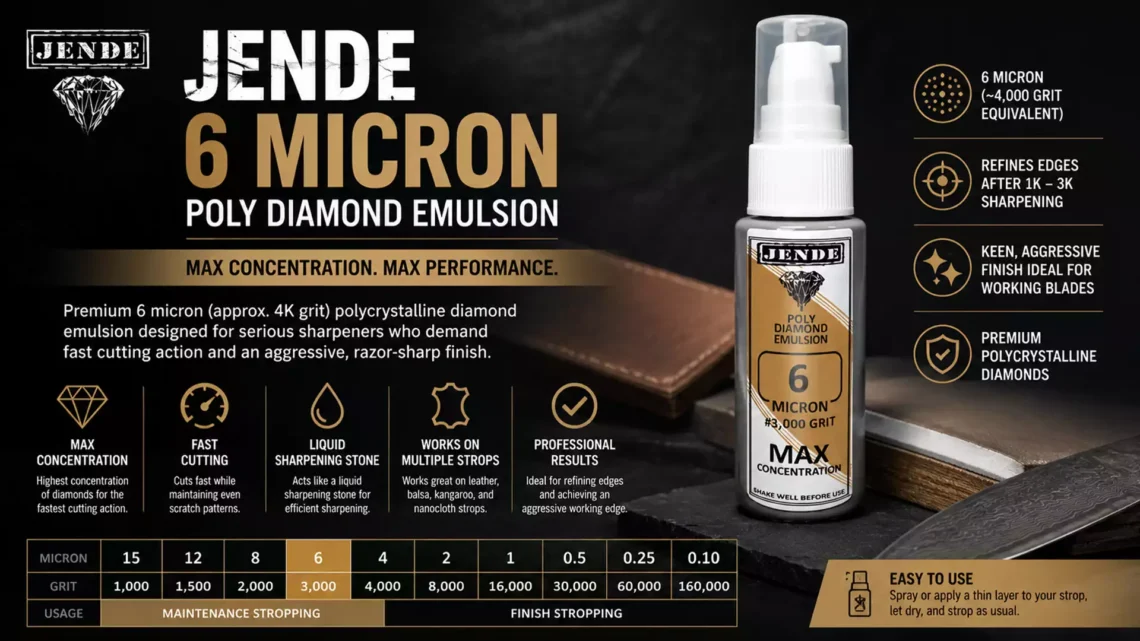
- Keep it Sharp: Regular honing and sharpening maintain cutting efficiency and prevent accidents.
- Storage: Use a sheath or knife rack to protect the blade and prolong its life.
When and Why You Need One
While not every home chef needs a full-sized tuna knife, anyone working with whole tuna or aiming for professional-level sushi preparation should consider investing in one. Even scaled-down versions can dramatically improve your efficiency and quality of cuts.
Buyer’s Guide: Choosing the Best Tuna Knife
When shopping for a tuna knife (maguro bocho), you’re not just buying a blade—you’re investing in craftsmanship, precision, and performance. Here are the key factors and a list of top recommendations to guide your purchase.
What to Look for in a Tuna Knife
1. Blade Length
- Small to Medium Tuna: 20″–30″
- Large Tuna: 35″–60″
- Longer blades allow for cleaner, single-stroke cuts with minimal damage to the meat.
2. Blade Material
- High-Carbon Steel: Holds a sharp edge, traditional, but prone to rust if not cared for.
- Stainless Steel: More resistant to corrosion, easier to maintain, slightly less sharp.
- Powder Steel (e.g., SG2 or VG10): Premium options with excellent edge retention and sharpness.
3. Handle
- Look for ergonomic, slip-resistant handles.
- Materials include hardwood, pakkawood, resin, or even bone (in luxury models).
- Full tang construction (metal running through the handle) improves durability.
4. Weight & Balance
- A heavier knife is helpful for cutting through dense flesh and cartilage, but balance is key—especially for precision.
- Two-hand designs for giant blades are common for commercial tuna processing.
Care & Maintenance Tips
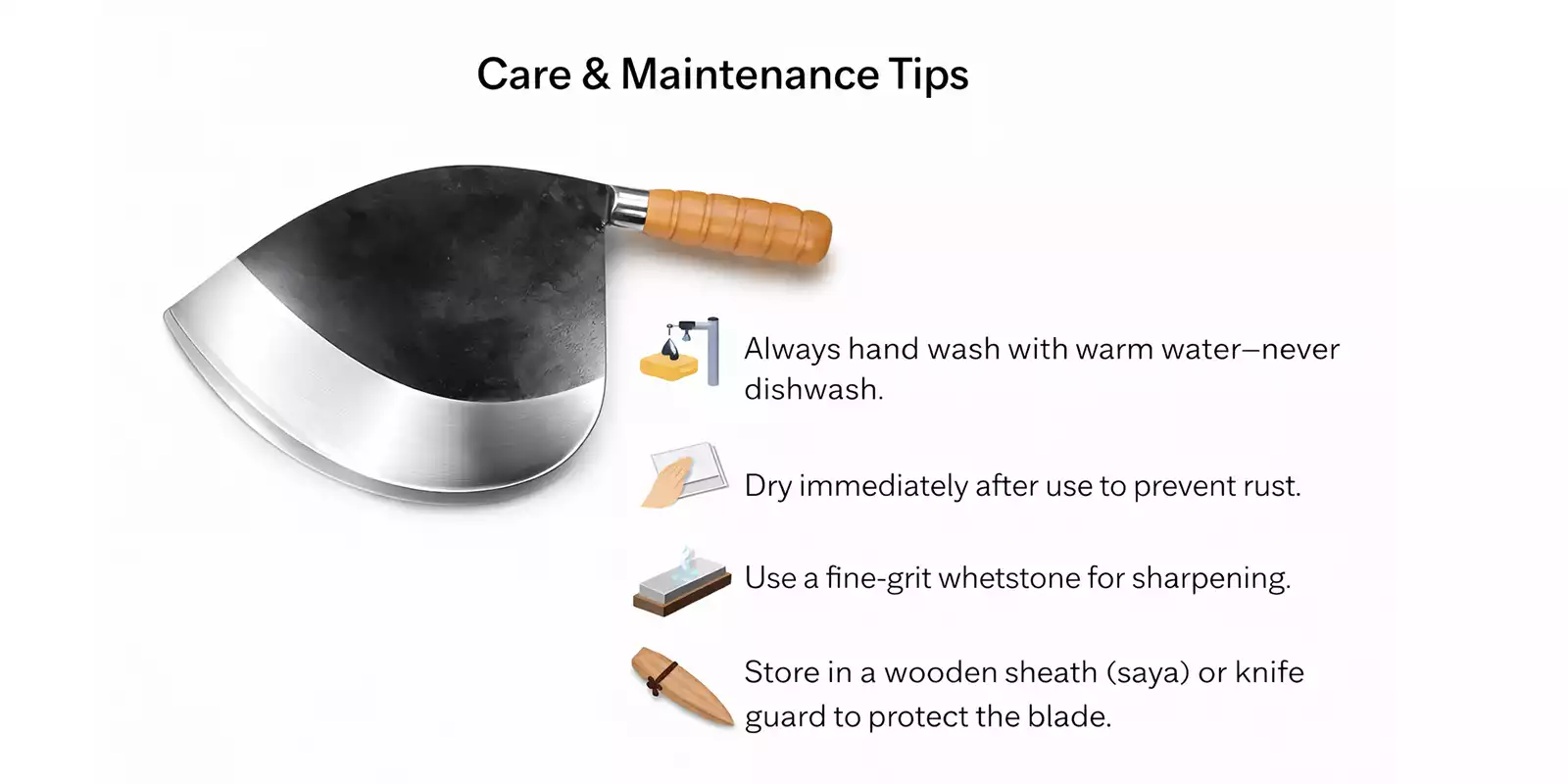
- Always hand wash with warm water—never dishwash.
- Dry immediately after use to prevent rust.
- Use a fine-grit whetstone for sharpening.
- Store in a wooden sheath (saya) or knife guard to protect the edge.
Pro Tips Before You Buy
- Know your workspace: Some blades are enormous—make sure you have room to wield and store them safely.
- Practice safety: These knives are sharp and heavy; improper handling can lead to injury.
- Start with a mid-size knife if you’re new to tuna breakdowns. Upgrade to a full-length tuna sword as your skills improve.